Chewing & Teething

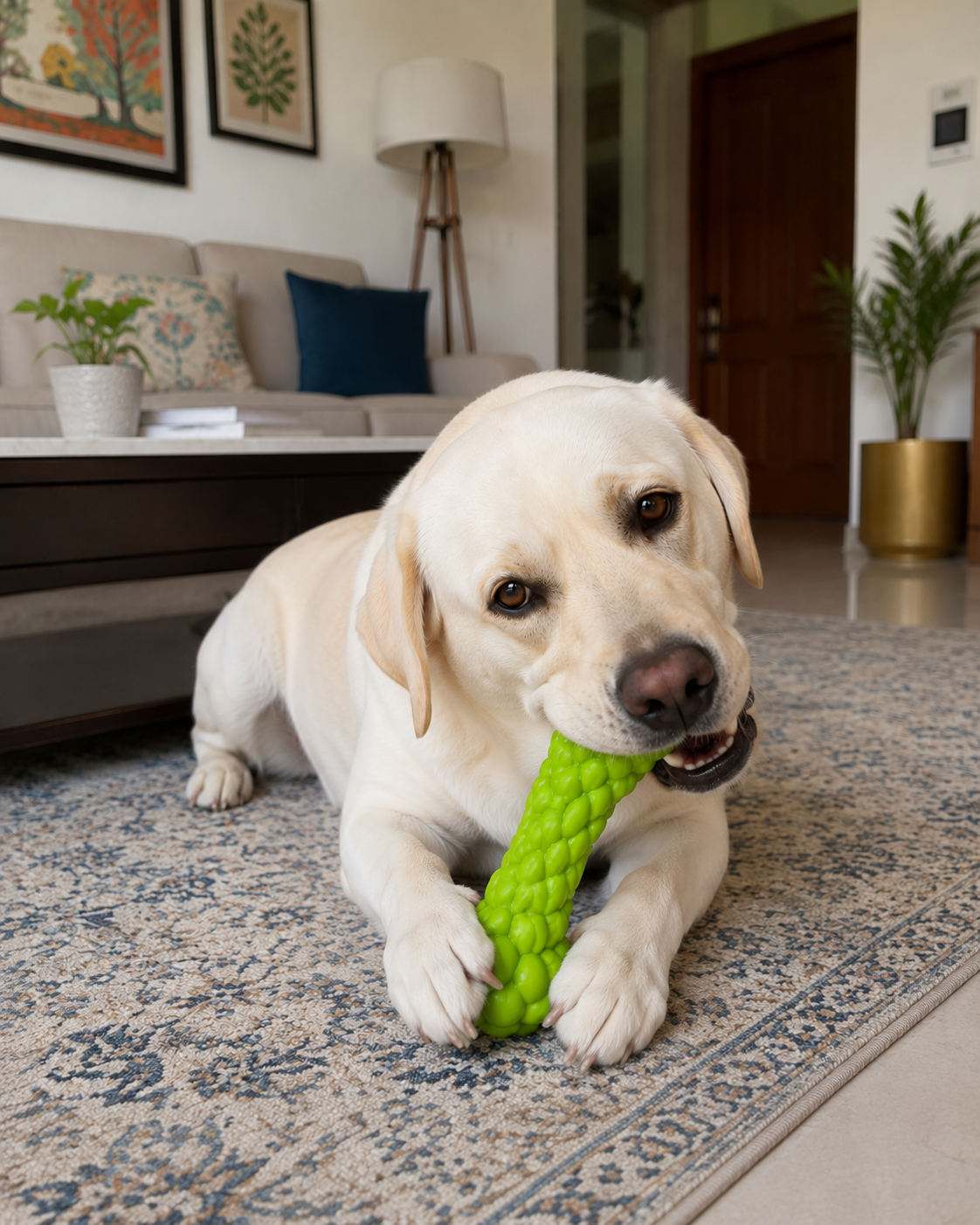
Chewing is not “bad behaviour” - it’s a natural biological need for dogs. Puppies chew while teething to relieve gum discomfort, while adult dogs chew to release stress, stay mentally stimulated, and exercise their jaws. Research around canine enrichment and behaviour suggests that appropriate chewing activities can help reduce boredom, anxiety, and destructive habits in dogs.
That’s why choosing the right chew and teething toys is important for your pet’s physical and mental well-being.
Our collection of chew and teething toys for dogs is thoughtfully curated to support healthy play, safe chewing, and everyday enrichment. From soft puppy teething toys that soothe sensitive gums to durable chew toys for aggressive chewers, each product is selected to encourage positive chewing habits while keeping your dog engaged for longer periods.
Chew toys can also support healthier teeth and gums, reduce plaque buildup, improve focus, and encourage independent play. Whether your pet loves chewing, tugging, or interactive play, finding the right toy helps create a happier and more balanced lifestyle.
-

 10% OFF
Cheeky Banana Chew Toy for Dogs
Regular price ₹359.00Regular price₹399.00Sale price ₹359.0010% OFF -
Bouncy Chew Ball for Dogs
Regular price ₹149.00Regular price -

 20% OFF
 -
Power Bone Dog Chew Toy
Regular price ₹199.00Regular price -
Toss & Fetch Ring Toy for Dogs
Regular price ₹199.00Regular price -
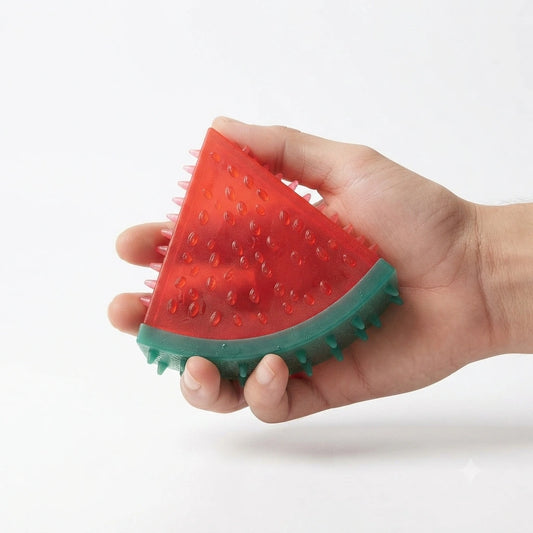
Cheeky Watermelon Toy For Dogs & Cats
Regular price ₹199.00Regular price -
Mini Football Latex Dog Toy - EE Toys
Regular price ₹269.00Regular price₹299.00Sale price ₹269.0010% OFF -
Spiked RIng Chew Toy for Dogs
Regular price ₹299.00Regular price -
Mini Paw Print Ball Toy for Dogs
Regular price ₹149.00Regular price -
Poppy Pumpkin Squeaky Latex Chew Toy for Dogs
Regular price ₹404.00Regular price₹449.00Sale price ₹404.0010% OFF






Why Do Dogs Need Chew Toys?
Chewing is an instinctive behaviour in dogs. Puppies chew during teething because their gums feel irritated as adult teeth develop, while adult dogs often chew to stay mentally stimulated and relieve stress or boredom.
Without proper chew outlets, dogs may start chewing:
- furniture
- shoes
- cushions
- wires
- household objects
Safe chew toys help redirect this natural behaviour in a healthy and engaging way.
Experts in canine behaviour also recommend enrichment toys because mental stimulation is just as important as physical exercise. Dogs who stay mentally engaged are often calmer, happier, and less likely to develop destructive habits.
Benefits of Chewing & Teething
01
Supports Healthy Teething
Teething toys help soothe sore gums in puppies and provide comfort during the teething phase, which usually occurs between 3–6 months of age.
02
Reduces Destructive Chewing
Dogs naturally seek outlets for chewing. Durable chew toys help prevent unwanted chewing on furniture, slippers, or other household items.
03
Encourages Mental Stimulation
Interactive and textured chew toys help keep dogs engaged, reducing boredom and supporting healthy enrichment activities.
04
Promotes Better Dental Health
Certain chew toys help massage gums and reduce plaque buildup through chewing action, supporting healthier teeth and oral hygiene.
05
Encourages Independent Play
Self-engaging chew toys can help dogs stay occupied during alone time, reducing anxiety and keeping them mentally active.
1. Supports Healthy Teething
Teething toys help soothe sore gums in puppies and provide comfort during the teething phase, which usually occurs between 3–6 months of age.
2. Reduces Destructive Chewing
Dogs naturally seek outlets for chewing. Durable chew toys help prevent unwanted chewing on furniture, slippers, or other household items.
3. Encourages Mental Stimulation
Interactive and textured chew toys help keep dogs engaged, reducing boredom and supporting healthy enrichment activities.
4. Promotes Better Dental Health
Certain chew toys help massage gums and reduce plaque buildup through chewing action, supporting healthier teeth and oral hygiene.
5. Encourages Independent Play
Self-engaging chew toys can help dogs stay occupied during alone time, reducing anxiety and keeping them mentally active.


Best Chew Toys for Puppies & Aggressive Chewers
Choosing the right chew toy depends on your dog’s:
- age
- size
- chewing strength
- play style
For puppies, softer rubber and flexible teething toys work best because they are gentle on developing teeth and sensitive gums.
For aggressive chewers, durable rubber chew toys and heavy-duty enrichment toys are usually safer and longer lasting. Plush toys may not be ideal for strong chewers as they can tear more easily.
Always choose:
- non-toxic materials
- pet-safe designs
- size-appropriate toys
- durable construction
Supervising your pet with a new toy initially is always recommended.
How to Choose Safe Dog Chew Toys
When selecting chew and teething toys for dogs, safety should always come first.
Here are a few important things to look for:
- Choose toys suitable for your dog’s size and chewing strength
- Avoid toys with loose or easily detachable parts
- Replace damaged toys immediately
- Select pet-safe and non-toxic materials
- Avoid toys that are too small and may become choking hazards
Rotating toys regularly can also help maintain your dog’s interest and improve engagement during playtime.